புதன், 22 மே, 2013

Chaitanya-Mahabrabhu-at-Jagannath.jpg
Chaitanya Mahaprabhu
BornVishvambar
1486
Nabadwip (present day Nadia, West Bengal, India)
Died1534 (aged 47–48)
Puri (present-day Odisha, India)
Titles/honoursFollowers of Gaudiya Vaishnavismbelieve him to be the full incarnation ofLord Krishna.
PhilosophyBhakti yoga

Chaitanya Mahaprabhu (also transliterated Caitanya, IAST caitanya mahāprabhu) (1486–1534) was a social reformer in eastern India (specifically present-day Bangladesh and states of West Bengal, Bihar, Jharkhand, Manipur, Assam, and Odisha of India) in the 16th century,[1] worshipped by followers of Gaudiya Vaishnavism as the full incarnation of Lord Krishna.[2] Sri Krishna Chaitanya was a notable proponent for the Vaishnava school of Bhakti yoga(meaning loving devotion to Krishna), based on the philosophy of the Bhagavata Purana and Bhagavad Gita.[3] Specifically, he worshipped the forms ofKrishna, popularised the chanting of the Hare Krishna maha mantra[4] and composed the Siksastakam (eight devotional prayers) in Sanskrit. His line of followers, known as Gaudiya Vaishnavas, revere him as an Avatar of Krishna in the mood of Radharani who was prophesied to appear in the later verses of the Bhagavata Purana.[5]
He was also sometimes referred to by the names Gaura (Sanskrit for 'golden'), due to his fair complexion,[6] and Nimai due to his being born underneath aNeem tree.[7] There are numerous biographies available from the time giving details of Chaitanya's life, the most prominent ones being the Chaitanya Charitamrita of Krishnadasa Kaviraja Goswami, the earlier Chaitanya Bhagavata of Vrindavana Dasa[8] (both originally written in Bengali but now widely available in English and other languages), and the Chaitanya Mangala, written by Lochana Dasa.[9] These works are in Bengali with some Sanskrit verses interspersed. In addition to these there are other Sanskrit biographies composed by his contemporaries. Chief among them are the literary masterpiece, Sri Chaitanya Charitamritam Mahakavyam (written in 20 sargas and 1911 shlokas) by Kavi Karnapura and Sri Krishna Chaitanya Charitamritam by Murari Gupta.

திங்கள், 20 மே, 2013


A picture of Ramana Marharshi 
Ramana Maharshi
Ramana Maharhshi was a guru of international renown from southern India who taught during the first half of the twentieth century. He was born in 1879 near Madurai, Tamilnadu. His father was a farmer. He was the second of three sons. The family was religious, giving ritual offerings to the family deity and visiting temples. One unusual aspect of his family history was a curse that was put on the family by a wandering monk who was refused food by a family member. The monk decreed that in every generation, one child in the family would renounce the world to lead a religious life.Ramana was largely disinterested in school and absent-minded during work. He had a marked inclination towards introspection and self-analysis. He used to ask fundamental questions about identity, such as the question "who am I?". He was always seeking to find the answer to the mystery of his own identity and origins.
One peculiar aspect of Ramana's personality was his ability to sleep soundly. He could be beaten or carried from one place to another while asleep, and would not wake up. He was sometimes jokingly called "Kumbhakarna" after a figure in the Ramayana who slept soundly for months.
In the summer of 1896, Ramana went into an altered state of consciousness which had a profound effect on him. He experienced what he understood to be his own death, and later returned to life.
He also had spontaneous flashes of insight where he perceived himself as an essence independent of the body. During these events, he felt himself to be an eternal entity, existing without reliance on the physical body or material world.
Along with these intuitions came a fascination with the word "Arunachala" which carried associations of deep reverence and a sense that his destiny was closely intertwined with this unique sound. At the age of sixteen, Ramana heard that a place called Arunachala actually existed (the modern town's name is Tiruvannamalai) and this brought him great happiness.
Ramana was nearing the end of high school when a careless criticism describing him as a person not fit to be a student jarred him into making a final decision to leave school. He had been reading a book on famous Tamil saints and resolved to leave home and lead the life of a religious seeker. Naturally, he planned to go to Arunachala, the place which was the focal point of all his religious ideals.
When he was seventeen years old, Ramama left for Arunachala, arriving after four days of mostly train travel. He went directly to the central shrine at the temple and addressed the Shiva symbol (linga) stating he had given up everything and come to Arunachala in response to the god's call.
Ramana spent ten years living in temples and caves meditating, and pursuing spiritual purification, keeping the disciplines of silence and non-attachment. At this point, his reputation as a serious teacher (he was called Brahma Swami) began to grow and other seekers began to visit him. His disciples, some of whom were learned individuals, began to bring him sacred books. He became conversant with the religious traditions of South India written in the different regional languages.
Early disciples had a difficult time learning about Ramana's background and even his native language because he was silent and refused to speak. As time passed he ceased his ascetic phase and began to live a more normal life in an ashram setting. Many people came to visit him with a variety of problems, from both India and abroad.
Ramana's disciples constructed an ashram and temple, and space the accommodate the many visitors. All ate the same food and Ramana sat with the rest of the people during meals and did not expect special treatment. The ashram was a sanctuary for animals and Ramana had great fondness for the cows, monkeys, birds, and squirrels that inhabited the grounds.
Ramana continued to practice the method of inquiry into the nature of the self best expressed by the question "who am I?".
Ramana was not a guru in the classic sense of a teacher who gives instruction on a regular basis or gives mantras during initiation. In fact, if the seeker wanted to practice repetition of a mantra rather than the "who am I?" method of self inquiry, he recommended repeating the pronoun "I" or the phrase "I am" rather than repeating sacred Sanskrit words or the names of gods. This focused the person's mind on "being itself" or the mystery of their own awareness rather than an external object or word.
However, Ramana did give informal initiations using a special glance, or touch, or in dreams. Lex Hixon writes:

... although the Guru , or teacher is within everyone as primal awareness, an illuminated sage can push us in the direction he described as inward in the sense of being more primary, or primal. Ramana could give this initiatory push by touch or by glance. Seated in silence, he would suddenly turn, fix one with an intense gaze, and the person would become directly aware of the right-hand Heart (the spiritual center of one's awareness) and its vibrant current of primal awareness. Those who experienced the power of Ramana's gaze have reported that the initiation was so clear and vivid that they could never again seriously doubt that the Guru was none other than their own primal conscious being.
(Coming Home, The Experience of Enlightenment in Sacred Traditions by Lex Hixon, Jeremy P. Tarcher - Martin's Press, New York, 1989, p. 46)
Ramana also initiated people in dreams by gazing intently into their eyes, and he would sometimes travel in the subtle body to visit people. He would appear to a disciple hundreds of miles away as a luminous figure, and the person would recognize his apparence in that form. He noted that one's waking life and one's dream life were both a kind of dream each with different qualities of awareness. He referred to them as "dream 1" and "dream 2". He therefore did not make a big distinction between appearing to a waking disciple and a dreaming disciple since he considered both spheres of existence to be dreams.
Ramana recommended renunciation of enjoyment of physical and mental pleasures as a means of entering into a state where the oneness of the self and cosmos could be perceived. He also felt that a person who is not attached to the results of his actions can live in the world like an actor that plays his or her part but is immune to emotional disturbance, because he realizes he is only play-acting on the stage of life.
Ramana was able to demonstrate his own non-attachment when thieves broke into the ashram and he counseled the disciples and visitors to let them have anything they wanted. He remained calm during the incident even when struck by one of the thieves. He also displayed no loss of equanimity at the death of his mother, who had come to live at the ashram after selling the family home.
Ramana developed cancer and when his devotees voiced concern about losing him, he responded with the statement "I am not going anywhere, where shall I go? I shall be there where I am always." He died in April, 1950, sitting in lotus position. The final word that passed from his lips was the sacred syllable OM.
The French photographer Cartier-Bresson was visiting Ramana's ashram as Ramana neared death. He noted the following astronomical event which appeared in the night sky over the sacred mountain Arunachala as Ramana died:
I saw a shooting star with a luminous tail unlike any I had ever seen before moving slowly across the sky and reaching the top of Arunachala, the mountain, disappearing behind it. We immediately looked at our watches. It was 8:47. We raced to the ashram only to find that the master had passed in to Mahanirvana at that exact minute. Nor was this experience only documented by a select few … All the English and Tamil papers which arrived this morning from Madras referred to the meteor which had been seen in the sky over the entire state of Madras at 8:47 on the night of April 14 by a large number of people in different places. These eyewitnesses had been struck by its peculiar look and behavior.
Ramana who often circumambulated the sacred mountain as an act of worship seemed to be making his final arc around the mountain as a blazing light in the night sky.


சனி, 11 மே, 2013


History of Taekwondo

The earliest records of Martial Arts practice in Korea date back to about 50 B.C. These earliest forms of korean martial arts are known as 'Taek Kyon'. Evidence that Martial Arts were being practiced at that time can be found in tombs where wall-paintings show two men in fighting-stance. Others reject this evidence and say that these men could be simply dancing.
Back then, time there were three kingdoms:
  1. Koguryo (37 B.C. - 668 A.D.)
  2. Paekje (18 B.C. - 600 A.D.)
  3. Silla (57 B.C. - 935 A.D.)
Silla unified the kingdoms after winning the war against Paekje in 660 A.D. and Koguryo in 668 A.D. The Hwa Rang Do played an important role at this unification. The Hwa Rang Do was an elite group of young noble men, devoted to cultivating mind and body and serve the kingdom Silla. The best translation for HwaRang would probably be "flowering youth" (Hwa ="flower", Rang="young man"). The HwaRang Do had an honor-code and practiced various forms of martial arts, including Taekyon and Soo Bakh Do. The old honor-code of the HwaRang is the philosophical background of modern Taekwondo.
What followed was a time of peace and the HwaRang turned from a military organization to a group specialized in poetry and music. It was in 936 A.D. when Wang Kon founded the Koryo dynasty, an abbreviation of Koguryo. The name Korea is derived from Koryo.
During the Koryo Dynasty the sport Soo Bakh Do, which was then used as a military training method, became popular. During the Joseon-dynasty (also known as the Yi-dynasty. 1392 A.D. - 1910 A.D.) this emphasis on military training disappeared. King Taejo, founder of the Joseon-dynasty, replaced Buddhism by Confucianism as the state religion. According to Confucianism, the higher class should study the poets, read poems and and play music. Martial arts was something for the common, or even inferior, man.
Modern-day Taekwondo is influenced by many other Martial Arts. The most important of these arts is Japanese Karate. This is because Japan dominated Korea during 1910 until the end of World War II. During WWII, lots of Korean soldiers were trained in Japan. During this occupation of Korea, the Japanese tried to erase all traces of the Korean culture, including the martial arts. The influence that Japan has given to Taekwondo are the quick, lineair movements, that characterize the various Japanese systems.
After World War II, when Korea became independant, several kwans arose. These kwans were:
  • Chung Do Kwan
  • Moo Duk Kwan
  • Yun Moo Kwan
  • Chang Moo Kwan
  • Oh Do Kwan
  • Ji Do Kwan
  • Chi Do Kwan
  • Song Moo Kwan
The Kwans united in 1955 as Tae Soo Do. In the beginning of 1957, the name Taekwondo was adopted by several Korean martial arts masters, for its similarity to the name Tae Kyon.
General Choi Hong-hi required the army to train Taekwondo, so the very first Taekwondo students were Korean soldiers. The police and air force had to learn Taekwondo as well. At that time, Taekwondo was merely a Korean version of Shotokan Karate. In 1961 the Korean Taekwondo Union arose from the Soo Bakh Do Association and the Tae Soo Do Association. In 1962 the Korean Amateur Sports Association acknowledged the Korean Taekwondo Union and in 1965 the name was changed to Korean Taekwondo Association (K.T.A.). General Choi was president of the K.T.A. at that time and was asked to start the I.T.F. as the international branch of the K.T.A. The southern government was overthrown in 1961. General Choi Hong-hi left for America and established I.T.F. (International Taekwondo Federation) Taekwondo, as a separate entity, two years later.
Demonstrations were given all over the world. It took a while before real progress was made, but eventually, in 1973, the World Taekwondo Federation (W.T.F.) was founded. In 1980, W.T.F. Taekwondo was recognized by the International Olympic Commitee (I.O.C.) and became a demonstration sport at the Olympics in 1988. In the year 2000 taekwondo made its debute as an official olympic sport. There were several attempts to unify I.T.F. and W.T.F. Taekwondo, but unfortunately, these failed.

K.T.A.

In the year 2000 taekwondo made its debute as an official olympic sport. Taken from a post in the
dojang-digest
The Korea Taekwondo Association (KTA) is the National Governing Body (NGB) for Taekwondo in the Republic of Korea (ROK), just like the United States Taekwondo Union (USTU) is the National Governing Body for Taekwondo in the United States of America. The World Taekwondo Federation (WTF) which was formed in 1973, is made up of Taekwondo NGBs. These NGBs are members of the WTF, and not individuals. Individuals may be affiliated to the WTF through their NGB, but individuals cannot join the WTF directly.
Dr. Un Yong Kim became the 5th President of the KTA in 1971. Dr. Kim subsequently became the 1st and only President of the WTF in 1973 and around 1990 he gave up the post of KTA President.
Mr. Choi, Sae-Chang became the 6th KTA President after Dr. Kim stepped down due to his expanded responsibilities in the International Sports community. Mr. Choi was a former four star general in the ROK Army and also held the post of Defense Minister. Mr. Choi was replaced by Mr. Rhee, Pil Gon in 1996.
The KTA is alive and well and probably is the largest, most active NGB for Taekwondo in the world. For more information, you can write to the KTA at the following address:
The Korea Taekwondo Association
#607, Olympic Center
88 Oryoon-dong, Songpa-ku
Seoul, Korea
Telephone: 420-4271
Fax: 420-4274

I.T.F. vs W.T.F.

[Gen. Choi]
As mentioned earlier, Gen. Choi established ITF-Taekwondo (which practices a more traditional form of taekwondo) while WTF-Taekwondo (which has a strong emphasis on sparring) became an olympic sport in 2000.
A good-will trip to North-Korea in 1966 caused General Choi to fall in disgrace in the eyes of the South-Koreans. Choi resigned as president of the K.T.A. and founded the I.T.F. on March, the 22nd of that same year. The headquarters of ITF were established in Canada.
ITF started concentrating on the forms developed by General Choi, while the KTA (which later, on May 28, 1973, became the WTF) concentrated on the Palgwe's. Later the WTF abandoned the Palgwe's and started concentrating on Taeguks. Slowly, the WTF emphasis turned to sparring. This is also the reason why a lot of people rather call (WTF) Taekwondo a martial sport than a Martial Art.
The American Taekwondo Association (ATA) is a smaller organization, and has many similarities to the ITF. The ATA has a copyright on the forms of the organization, so these forms cannot be used on competitions by non-members. There are many organizations, but the three mentioned above have the most members.
ITF practices the so-called 'semi-contact' part of Taekwondo, while WTF practices the so-called 'full-contact' part. ITF focuses more on the traditional way of taekwondo. Since the break-up, there have been many attempts to reunite WTF and ITF, so-far without success. There probably will never be a union within Taekwondo.

சனி, 4 மே, 2013


The 12 Thirumurais

1. Introduction
Thirumurai are the compilation of hyms by Saiva saints. They are valuable sacred treasures to the Tamilians in the world of Saivism. These works deal with Lord Siva and the meanings of Saiva Siddhanta in a melodious language. Most of the verses of this works are centred around temple culture. They were sung by great Saint who had experienced the grace of Lord Siva in them.
The first usage of ‘Thirumurai’ was found in the inscription of Kulothunga Chola III (1178 A.D – 1216 A.D). In the inscription of Chola Kings prior to Kulothunga II, Thevaram hyms were called ‘Thirupathigam’. These works are compiled by Nambiandar Nambigal into Panniru Thirumuraigal or 12 Thirumuraigal which consist of the works by St Thirunjana Sambanthar, St Thirunavukkarasar, St Sundaramoorti, St Manikkavasagar and other saints.
1-Thevaram-Thirugnanasambanthar-1469
2-Thevaram-Thirugnanasambanthar-1331
3-Thevaram-Thirugnanasambanthar-1358
4-Thevaram-Thirunaavukkarasar-1070
5-Thevaram-Thirunaavukkarasar-1015
6-Thevaram-Thirunaavukkarasar-981
7-Thevaram-Sundaramurthi Swamigal-1026
8-Thiruvasagam &
 Thirukkovaiyar -Manikkavasagar -656 & 400
9-Thiruvisaippa & Thirupallandu-9 Authors -ThirumaaligaiDevar,Senthanar,Karuvutthevar,Poonthuruthi Nambi KadaNambi, Kantaratittar,Venatatikal,Thiruvaliya Amudhanar,Purudhottama Nambi,Chedirayar -288 & 13
10-Thirumantiram-Thirumoolar-3000
11-40 Prapanthams -11 Authors -Thiruvalavuthaiyar,Karaikkal Ammaiyar,Aiyatikal Perumal, Nakkira Thevar, Kalladhanar, Kabilathevar, Paranathevar, Ilamperuman Adikal, Pattanattup Pillaiyar, Nambiandhar Nambi.-1419
12-Thiruttonda Puranam or Periya Puranam- Sekkilar Perumaan-4286
The term ‘Murai’ means antiquity ( Thonmai ), providence or destiny ( Uul), collection ( Kooddu), discipline or orderliness (Olunggu), literary work ( Nuul) etc. But in common it is acknowledged as Literary work or Nuul. Thus this is also better known as Stotram as it is in overall directs the inner meaning of the work towards Lord Siva.
The practice of singing saiva hyms was an important item of temple worship during the period Bakthi movement. Facilities were made in the temple premises by Chola emperorsfor the recitation of hyms. Special halls called ‘Thirukkai Kotti’ because of keeping time with hands, were built for recitation of these hyms and arrangements were made for feeding people who recited the hyms.
Karaikkal Ammaiyar, great devotee of Lord Siva, lived before the period of St Thirunganasambantar. Her hyms were included only in the 11th Thirumurai, whereas the 1st, 2nd and 3rd Thirumurais was formed ignoring the chronological order. The fact that the arrangement is not chronological, reveals that they were arranged as and when a gap was felt by the Saivite world getting to know in stages the significance of the Saivite works not included in the earlier compilation.
The twelve Thirumurais were compiled as such in different stages and st different times, but the hyms of St Sambanthar, Appar and Sundarar ( first seven Thirumurais) were collected by Nambiandar Nambigal at the Chidambaram Nadaraja temple.

History of the Thirumurais
Thirumurai Kanda Puranam by Saint Umapathi Sivam explains in detail of how these works were found. Raja Raja Cholan who was known as Abayakulasekara was was inspired by the idea of winning back the lost hyms. Some of the devotees of Lord Siva used to sing a few lines of the Thevarams that they know of. The king was mesmerized with the hyms but he was in deep sorrow as these beautiful heart melting hyms are nowhere to be found.
In Thirunaraiyur, there lived a great devotee named Nambi. As a child, he worshipped Pollappillaiyar and performed all necessary rituals for Pillaiyar. He believed that the food and sweets offerings (Neivethiyam) offered to Pillaiyar will be eaten by Pillaiyar after the prayers. When he realized that the offerings were untouched by Pillaiyar, he assumed that there was a mistake in his worship. Due to this he decided to hit his head on a rock and that is when a voice was heard; “ Nambi,..wait!”. Pillaiyar then appeared and ate all his offerings.
Pillayar became the guru of Nambi and he was then known by the name Nambiandar Nambigal. This miracle of Nambi reached the King Raja Raja Cholan and decided to visit Nambi. The King came to Thirunaraiyur with many offerings for Pillaiyar and paid his respect to Nambiandar Nambigal.
The King was in great joy to see his offerings were received by Pollappillaiyar. He then requested Nambi to help him to find the origin and the source of the hyms by Samayakuravargal. Nambi then prayed to Pillaiyar to help the King. Pillaiyar granted his wish and told them to proceed to Thillai where the hyms are all locked in a room inside the Chitsabha.
In Thillai, the dikshitars refused to open the door of the room where the hyms are kept. They demanded that the three saints should come in order to open the room door. The king prayed to Lord Ambalavanan and decided to make statues of the saints and brought it to the Chitsabha. The door was opened and the King was extremely disappointed to see the condition of the hyms on the palm leaves that was destroyed by the termites.That was the time when a divine voice was heard; “ Whatever that is need for the world today are saved, the rest are made to be destroyed with my grace”. This voice was heard to everyone who was there at that time and King was satisfied with this and requested Nambiandar Nambi to collect the undestroyed palm leaves and compile it accordingly.
Nambi arranged St Sambanthar’s thevaram’s as first in Thirumurai 1, 2 and 3. He then arranged St Thirunavukkarasar’s thevaram as second in Thirumurai 4, 5 and 6 and finally St Sundarar’s as third in Thirumurai 7. Nambiandar Nambigal proceeded with compiling the 8th and 9th Thirumurai as Thiruvasagam and Thirukkovaiyar by St Manikkavasagar. Based on St Sundarar’s Thiruthondathogai, Nambi also did his first work called ‘Thiruthondar thiruvanthathi’, then six ‘prabhandam’s’ on St Sambanthar and one ‘prabantham’ on St Appar. Upon King’s request he compiled his works in the compilation of the 12 Thirumurais as the 11th Thirumurai.
Raja Raja Cholan also known as Thirumurai kanda Cholan and Nambiandar Nambi wanted to have the correct set of musical tune or ‘Pann’. They then came to Thiruyerukattam Puliyur ( now known as Rajentirapattinam )and requested to the Lord there to guide them. A divine voice was heard; “ A lady from the lineage of Thiruneelakanda Yaalpanar’s received this musical gift from me. Guide her to Thillai and she shall compose the tunes for the hyms”. This is how the Pann or musical tunes were composed for the Thirumurais.
The “Panniru Thirumurai Varalaru” or the “History of the 12 Thirumurai” by Scholar ‘Vidwan’ K. Vellaivaranar explains that the word Thirumurai was only used for the hyms of St Sambanthar, Appar and Sundarar only in early days. Later in the period after Nambiandar Nambigal, this word was used for the Thiruvasagam and rest of the hyms.
Saiva Ellappa Naavalar was the person to mention the hyms sung by the three saints are called ‘Thevaram’. Before that, St Sambanthar’s hyms were called Thirukkadaikkaappu, only Appar’s hyms are called Thevaram and St Sundarar’s hyms are called ‘Thiruppaattu’.
The(y) + Varam; here the word “The” means another word to describe Deivam or Lord in one word of advanced Tamil. “Varam” means, a collaboration of divine tamil and music are used in a rightful manner. “Varam paaduthal” is the word used in the last Sanggam period ( Kadaicchangga Kaalam ) to indicate singing the praise of God through a combination of melodious music and song. The 11th and 12th Century’s stone inscriptions indicate that the word Thevaram’s origion is from the aspects worship.
In the book “ Tamil Ilakkiya Varalaru (13th,14th & 15th Century), great scholar T.V. Sadasiva Pandarattahar (1892-1960), a lifetime researcher and lecturer at Annamalai University, who was personally invited by Annamalai Chettiyar to serve in the History Department of the university. He has stated that during the era of Mallinatha Sambuvarayan’s rule, two great scholar have presented works of the three saints in the form of hyms called ‘Thevarams’. Here it clearly indicates that the word Thevaram is referred to the hyms by the three saints only.
Thevaram is the most important aspect in Saiva worship and without it, the ritual or worship is considered void. In temple festivals and ritual ceremony, Thevaram has been given the ultimate priority and also for the prosperity and wellness of the country and people in general.
Compilation of Thirumurais
In Thirumurai, St. Sambanthar’s “Thodudaiya Seviyan..” is placed as the first song. St Thirunavukkarasar is older to St Sambanthar by age and giving priority to St Sambanthar’s hymns will certainly raise a question to everyone. Above all, St Thirunavukkarasar has sung his first ‘pathigam’ “Koottrayinavaru..” before St Sambanthar sung “ Thodudaiya Seviyan...”
Based on Vidwan K. Vellaivaranar and the Periya puranam, it clearly describes that few years after St Sambanthar had attain the abode of Lord Siva together with everyone who witnessed His wedding, only then St Appar attained Sivapatham. In this world, human’s seniority are entirely based on the age of this body but in the spiritual journey, the seniority is based on the soul that attains the feet of Almighty first. Here St Sambanthar’s soul is greater than the soul of St Appar when looking into the aspects of the soul which experiences the Lord’s grace.
In realizing this St Appar once carried the palanquin of St Sambanthar, which he understood that the age of the body and age of the soul is entirely different. In accordance to this, Nambiandar Nambigal has placed the “Thodudaiya Seviyan..” pathigam as the first Thirumurai. Nambi has arranged the Thirumurais in the sequence of ‘Pann’ or melody based on the various ‘Pann’ in the hyms of three saints. Vidwan K. Vellaivaranar has explained in detail the process of this compilation in 180 pages of his book.
The Thirumurais of three saints were compiled into one with the correct Pann and named it “Adanggan Murai” and after many years later, in the year 1864 its was published as a book using papers. It was certainly an impossible task to complete this without a deep knowledge in Saiva Siddhantam.
To sing Thirumurai according to Pann is considered the best way to sing Thirumurai but for those who do not know the Pann should not avoid singing Thirumurai or be afraid in making a mistake by not singing with Pann.
The total number of 12 Thirumurai that we have today is 18,497 but the actual figure of the hyms including those which was destroyed by termites are as below:Thirunganasambanthar - 16,000 pathigam with 176,000 songs
Thirunavukkarasar - 49,000 pathigam with 490,000 songs
Sundarar - 38,000 pathigam with 380,000 songs
--------------------------------------------------------------------------------------------------

Thirugnana Sambandhar Thevaaram

thirunyAna champan^dha n^ayanAr's padhikams (hymns) are very rich and renowned for the beauty and play of thamiz in them. This great prodigy who started composing rhyming, sweet, rich in content hymns since when he was three years old gave thousands of hymns (16,000) on the Lord shiva of thousand names. But only a very small portion is available now to the world. These are 383(+3) (about 4,000 hymns) in number and are set in 21 (22) paN (melodies - rAgas). They are arranged as the first three thirumuRais grouped according to their melody. These have been sung on 219 (+2) abodes.
It is marvelous to see that his compositions range from simple and sweet to sophisticated and splendid. He wrote songs that dwell over the various special poetic constructs of thamiz like thiruvezukURRirukkai, n^Aladi, Iradi, thirumukkAl, thiruvirAgam, thiruvirukkuk kuRaL, yAzmUri, thiruththALachchadhi, thiruviyamakam. If one wants to feel the splendors of thamiz language constructs the suggestion would be thirunyAna champan^dhar thEvAram; if one wants to feel the splendors of music the suggestion would be thirunyAna champan^dhar thEvAram; if one wants to feel the splendor of devotion the suggestion would be thirunyAna champan^dhar thEvAram !!!
thirunyAna champan^dhar's thEvAram generally follows a pattern. The eighth hymn in the compositions pities the ignorance of the valorous rAvaNa who tried to lift the mount kailAsham and notes the boon rAvaNa received when he worshiped in humbleness. The ninth hymn adores the Lord who stood beyond the reach of vishNu the protector and braHma the creator. The tenth hymn cautions against false propagandas. The eleventh one completes the padhikam with his signatural salutations to the Lord and indicates the benefits one gets by praising the Lord shiva with those hymns.
champan^dhar's thEvArams are highly revered not just because of their sweetness and constructs but mainly due to the depth of its contents. It makes the people wonder how deep knowledge of vEdhas and purANas this young three year old child had which is very obvious from his compositions ! It certainly could not have been possible without the Supreme's blessing. Some of these hymns were sung creating marvels (making male palms to female, resurrecting girl pUmpAvai and so on) while all of them bring the Marvel mahEshwara to the heart of one who involves in them. Even today some of these padhikams are sung for accomplishing specific needs(2). It would be concise and correct if it is said that these hymns are the simple sweet easy way to spiritual enlightenment.


வேண்டும் வரம் கொடுக்கும் வெண்காடு


                  "ஸ்வேதாரண்யம் பஞ்சநதம் கௌரீ மாயூரம் மார்ஜுனம்
                   சாயாவனம்ச ஸ்ரீ வாஞ்சியம் காசீ க்ஷேத்ர ஸமாநிஷட் "
என்ற வாக்கியத்தால்  காசிக்குச் சமானமாகக் கூறப்படும் ஸ்தலங்கள் ஆறு என்பதைத்  தெரிந்து கொள்கிறோம். இவை, திருவெண்காடு, திருவையாறு,மயிலாடுதுறை, திருவிடைமருதூர் , சாயாவனம் என்கிற திருச்சாய்க்காடு ,திருவாஞ்சியம்  என்பன ஆகும். இத்தலங்களைக் காசியோடு சம்பந்தப்படுத்திப் பேசுவானேன் என்றால், இவை யாவும் காசியைப்போல் முக்தியைத் தரவல்லவை  என்பதால்தான். இவற்றிலும், மாயூரத்தில் காசி விஸ்வநாதர் ஆலயங்களும் , காசியைப் போலவே டுண்டி கணபதி மற்றும் கால பைரவர் சன்னதிகளும் உள்ளன. மேலே சொல்லப்பட்ட ஸ்தலவரிசை ஆறில், முதலாவதாகச்  சொல்லப்பட்டு இருப்பது, ஸ்வேதாரண்யம்  எனப்படும் திருவெண்காடு ஆகும்.

வால்மீகி ராமாயணத்தில் ஸ்வேதாரண்யம் குறிப்பிடப்பட்டுள்ளது.இங்கு சிவ சன்னதிகள்  மூன்று: ஸ்வேதாரண்யேச்வரர் (மூலஸ்தானம்), நடராஜ மூர்த்தி, அகோர மூர்த்தி. மூலவரை  தேவேந்திரன், ஐராவதம்  என்கிற வெள்ளை யானை, மஹாவிஷ்ணு, சூரியன், சந்திரன்,அக்னி , ச்வேத கேது, சுவேதன்  ஆகியோர் பூஜித்துள்ளனர். தேவார மூவரும் சுவாமியின் மீது பதிகங்கள் பாடியிருக்கிறார்கள். திருவாசகத்திலும்திருக்கோவையாரிலும்  இத்  தலம் மாணிக்கவாசகரால் குறிப்பிடப்பட்டுள்ளது. உத்தாலக முனிவரின்  எட்டு வயது குமாரனான ச்வேதகேதுவின்  உயிரைப் பறிக்கவேண்டி யமன் பாசக் கயிற்றை வீசியபோது  சுவாமி வெளிப்பட்டுக்  கால- சம்ஹாரம் செய்ததாக  ஸ்தலபுராணம் சொல்கிறது.

ஆதி சிதம்பரம் என்று இந்த ஊர் குறிப்பிடப்படுகிறது. சபை அமைப்பும் சிதம்பரத்தைப் போலவே இருக்கிறது. அருகில் ச்வேதவனப் பெருமாள் சன்னதியும் இருக்கிறது. நவ தாண்டவங்களை ( ஆனந்த தாண்டவம், காளி ந்ருத்தம், கௌரீ தாண்டவம், முனி ந்ருத்தம், சந்தியா தாண்டவம், திரிபுர தாண்டவம் , புஜங்க லலிதம், சம்ஹார தாண்டவம், பைஷாடனம்)நடராஜ மூர்த்தி இங்கு  ஆடினாராம். சிதம்பரத்தில் சகுணமாக ஆடி முக்தியைத் தரும் மூர்த்தி, இங்கு நிற்குணமாக ஆடி இம்மைக்கும் மறுமைக்கும்  பலன்களை அளிக்கிறார்.இவரது காலில் பதினான்கு சலங்கைகள் உள்ள காப்பு காணப்படுகிறது. பதினான்கு புவனங்களும் அவர் அசைந்தால் மட்டுமே அசையும் என்பதை இது காட்டுகிறது. இடுப்பில் அணிந்துள்ள  81 வளையங்கள்   உள்ள அரை ஞாண், பிரணவம் முதலான  81 பத மந்திரங்களை உணர்த்தும். 28 எலும்பு மணிகளை அணிந்திருப்பது, 28 சதுர் யுகங்கள்  முடிந்திருப்பதைக்  காட்டுகிறது.கூர்ம- வராக அவதாரங்களை அடக்கி அவற்றின் அடையாளமாக ஆமையின் ஓட்டையும், பன்றிக் கொம்பையும் மார்பில் அணிந்திருக்கிறார். ஜடாமுடி பதினாறு கலைகளை உணர்த்துவதாக உள்ளது. அதில் 15 சடைகள் பின்னால் தொங்குகின்றன.  ஒன்றுமட்டும் கட்டப்பட்டுள்ளது.   திரு முடியில் மயில் பீலியும், கங்கையும்,இளம் பிறைச் சந்திரனும்,  ஊமத்தம் பூவும், வெள்ளெருக்கும்  இருக்கின்றன.  நெற்றிக்கண் அழகாகத் தெரிகிறது. சிதம்பரத்தைப் போலவே, ரஹஸ்யமும், ஸ்படிகலிங்க பூஜையும் நடைபெறுகின்றன.

தேவர்களைத் துன்புறுத்திவந்த மருத்துவாசுரனை  அடக்குவதற்கு சுவாமியின் கோபத்திலிருந்து வெளிப்பட்ட அகோர மூர்த்தியின் சன்னதி பிரபலமானது. அசுரன் மீது போருக்குச் சென்ற ரிஷப தேவர் , காயப்பட்டதால் கோபமடைந்த பரமேச்வரன், அகோர மூர்த்தியாக, சூலம் ஏந்தி வருவதைக்கண்ட  அசுரன் , சரணாகதி அடைந்து தோத்திரம் செய்தான். இவர்  இடது காலை முன்வைத்து, வலது கால்  கட்டை விரலையும்,அதற்கு அடுத்த விரலையும் ஊன்றி, நடக்கும் கோலத்தில்எட்டுக் கரங்களுடன்  காட்சி அளிக்கிறார். கைகளில் வேதாளம்,கத்தி,உடுக்கை,  கபாலம் ,கேடயம், மணி, திரிசூலம் ஆகியவற்றைத் தாங்கியவராக, ஜ்வாலாகேசத்துடன் , நெற்றிக் கண்ணுடனும்,கோரைப்  பற்களுடனும், 14 பாம்புகளைப் பூண்டவராய் ,கம்பீரமாகக் காட்சி அளிக்கிறார். மாசி மாதம், கிருஷ்ணபக்ஷ பிரதமை, ஞாயிற்றுக் கிழமை, பூர நக்ஷத்திரம் கூடிய நாளன்று அகோர மூர்த்தி தோன்றியதாகக் கூறப்படுகிறது. பிரதி ஞாயிறுகளிலும்- குறிப்பாக கார்த்திகை ஞாயிறுகளில் அகோர பூஜை சிறப்பாக நடைபெற்று வருகிறது.மாசி மாத பிரமோத்ஸசவத்தில் , பூர நக்ஷத்திரத்தில் அகோர மூர்த்திக்கு விசேஷ அபிஷேகமும், வீதி உலாவும் நடைபெறுகிறது.
 
வெளிப்ராகாரத்தில் வடமேற்கு மூலையில், தனி உள் ப்ராகாரத்துடன் பிரம்மவித்யாம்பிகையின் சன்னதி கிழக்கு நோக்கு அமைந்துள்ளது. பிரமனுக்கு வித்தையை உபதேசித்ததால் இப்பெயர் வந்தது. திருநாங்கூரில் மதங்க முனிவரின் புதல்வியாகத் தோன்றிய அம்பிகை, தவம்  செய்து. ஈச்வரனைத் திருவெண்காட்டில் மணந்து கொண்டதாகப் பாத்ம புராணம் கூறுகிறது. பின் இரு கரங்களில் தாமரையும், அக்ஷ மாலையும் ஏந்தி, முன்னிருகரங்கள் அபய- வரதமாகக் அருட்-   காட்சி வழங்குகிறாள் அம்பிகை.
நவக்ரகங்களுள் ஒருவரும், வித்யாகாரகன்,மாதூலகாரகன், என்றெல்லாம் வழங்கப்படும் புதனுக்குத்  தனி சன்னதி, அம்பாள் சன்னதிக்கு வெளியில் கிழக்கு நோக்கி அமைந்துள்ளது. கல்வி,புத்திர பாக்கியம் வேண்டுவோர், இங்கு சாந்தி செய்து கொள்கிறார்கள்.

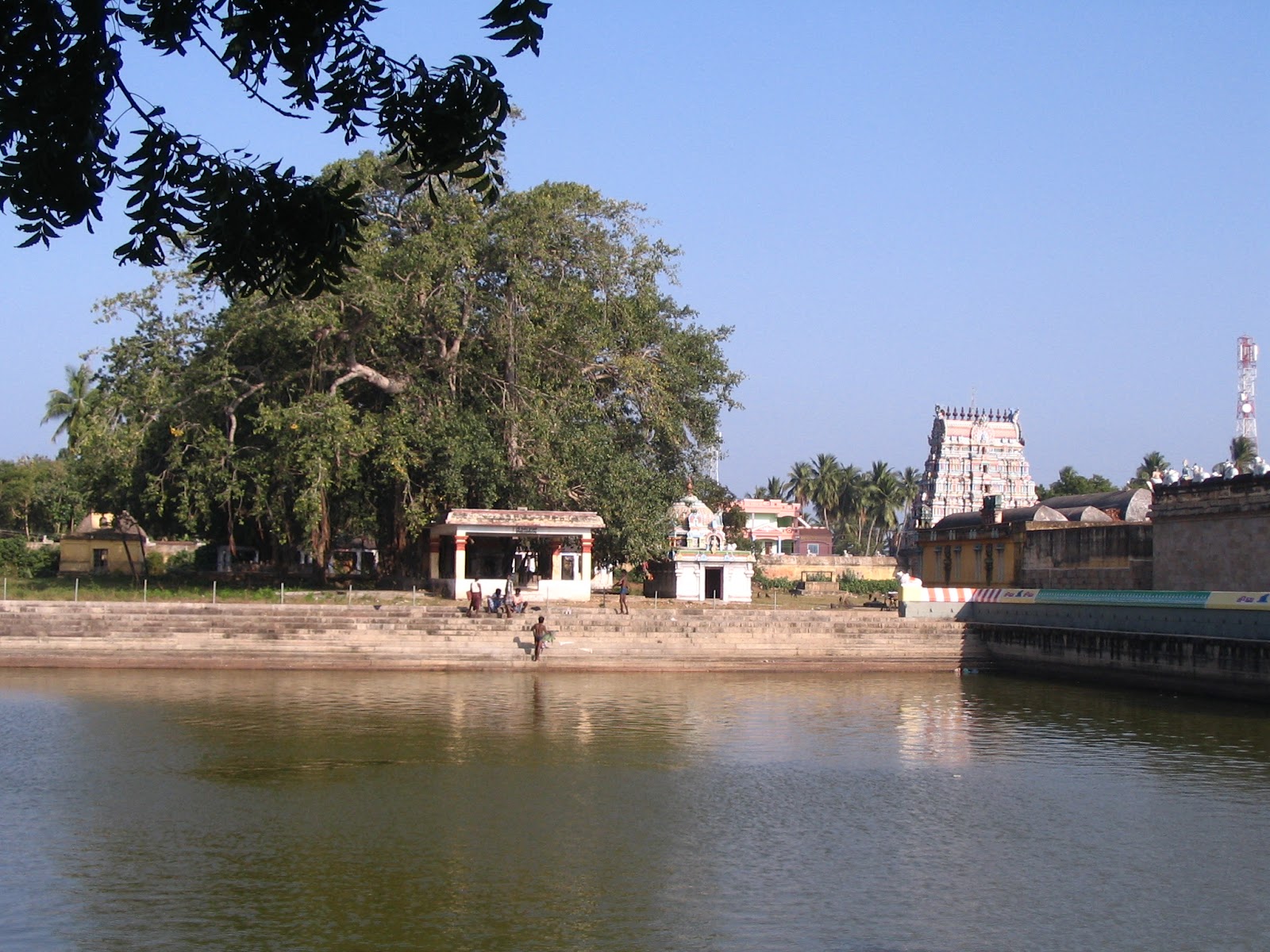
கோயிலுக்கு உள்ளேயே, மிகப்பழமையான மூன்று திருக்குளங்கள் உள்ளன.அக்னி தீர்த்தம், கொடிமரத்தின் அருகில் உள்ளது. இதன் கரையில், சைவ சித்தாந்த நூலான "சிவ ஞான போத"த்தை அருளிய மெய்கண்டாருக்கு சன்னதி உள்ளது. இவரது தந்தை அச்சுத களப்பாளர் என்பவர், நெடுங்காலமாகக் குழந்தைப்பேறு இல்லாததால், திருமுறையில் கயிறு சார்த்திப் பார்த்தபோது, இத்தலத்தின்மீது திருஞான சம்பந்தர் பாடிய, "கண்காட்டு நுதலானும்" என்ற பதிகம் வந்தது. அதில் இரண்டாவது பாடலில், இங்குள்ள முக்குளங்களில் நீராடிப் பெருமானை வழிபட்டால் குழந்தை பாக்கியம் கிடைக்கும் , இதில் சந்தேகப்பட வேண்டாம் என்று இருந்ததால் , அதன்படியே அவரும் இங்கு வந்து முக்குளத்தில் நீராடி, நியமத்தோடு இறைவனை வழிபட்டதால், மெய்கண்டார் என்ற சிவஞானக் குழந்தையை மகவாகப் பெற்றார். இன்றும் இப்பதிகத்தை பக்தி சிரத்தையுடன் பாராயணம் செய்தால் புத்திர பாக்கியம் கிடைக்கும் என்பது அனுபவத்தால் கண்ட உண்மை.

அக்னி தீர்த்தத்திற்கு அப்பால் வெளிப் பிராகாரத்தில் சூரிய தீர்த்தமும், அம்பாள் சன்னதிக்கு எதிரில் சந்திர தீர்த்தமும் உள்ளன. மூன்று தீர்த்தங்களைப் போல மூன்று வ்ருக்ஷங்கள் - ஆல், கொன்றை, வில்வம் ஆகியவை உள்ளன. இவற்றுள், ஆல வ்ருக்ஷத்தின் அடியில் ருத்ர பாதம் இருக்கிறது. இது பித்ருக் கடன் செய்ய உத்தமமான இடம். வில்வ வ்ருக்ஷத்தின் அடியில் பிரம்ம சமாதி உள்ளது. மேற்கு ராஜ கோபுரத்தின் அருகில் நூற்றுக்கால் மண்டபமும் அதனுள் சண்முகர் சன்னதியும் உள்ளன.

சுவாமியின் உள் பிராகாரத்தில் வடக்கு நோக்கிய பத்ரகாளியும், மேற்கு நோக்கிய துர்கையும் பெரிய மூர்த்தங்கள். இதைத்தவிர, சோமாஸ்கந்தர் சன்னதி, அறுபத்துமூவர்,பெரிய வாரணப் பிள்ளையார்,பால சுப்பிரமணியர் , அகோரமூர்த்தி (உத்சவர்) ஆகிய சன்னதிகளைக் காணலாம்.

பிற செய்திகள்:
சம்பந்தர் இங்கு வந்தபோது, ஊரெல்லாம் சிவலிங்கங்களாகக் காட்சி அளித்ததால், அம்பாள் அவரைத் தன் இடுப்பில் தாங்கிவந்து சுவாமி தரிசனம் செய்வித்தாள் என்பது செவிவழிச் செய்தி. அதே கோலத்தில் "பிள்ளை இடுக்கி அம்மன்" என்ற பெயரில் அம்பாள் பிரகாரத்தில் நமக்குத் தரிசனம் தருகிறாள் அன்னை.

 அருகிலுள்ள கிராமங்களில் தொற்று நோய் பரவும் போது , யாராவது ஒருவர் மேல் அகோரமூர்த்தி  ஆவேசமாக வந்து, விபூதி கொடுத்தவுடன்  அந்நோய் மறைந்துவிடுமாம்.

  சிறுத்தொண்ட நாயனாரின் மனைவி திருவெண்காட்டு நங்கையும், அவரது தோழி சந்தன நங்கையும் இவ்வூரைச் சேர்ந்தவர்கள்.

   ஸ்ரீகாஞ்சி காமகோடி பீடாதிபதிகளாக இருந்த ஸ்ரீ பரமசிவேந்திர சரஸ்வதி ஸ்வாமிகளின் அதிஷ்டானம் இங்கு மணிகர்ணிகா கட்டத்தில் இருக்கிறது.                                                திருவாவடுதுறை ஆதீன எட்டாவது குரு மகா சந்நிதானமாக விளங்கிய மாசிலாமணி தேசிக மூர்த்திகளின் சமாதி , மேல வீதியில் உள்ளது.

   பட்டினத்தடிகள் சிவ தீக்ஷை பெற்ற தலம்.

   கணபதிவழிபாடாகிய காணாபத்யம் பற்றிய நூல்கள்  மறைந்தபோது,                         க்ஷேத்ரபாலபுரத்தைச்  சேர்ந்த ஸ்ரீ  சாம்பசிவ சாஸ்திரிகளுக்கு மீண்டும் அவற்றை அகோர மூர்த்தியே உபதேசித்து, வெளிக்கொனர்ந்ததால், காணாபத்தியர்களின் குரு அகோரமூர்த்தியே ஆவார்.

இக்கோயிலில் சோழ,பாண்டிய,விஜய நகர அரசர்களின் கல்வெட்டுக்கள் நிரம்ப உள்ளன.சோழ அரசர்களோடு,அரசியர்களும் இக்கோயிலுக்கு நிவந்தங்களை அளித்துள்ளனர்.தெய்வத் திருமேனிகள் செய்து வைக்கப்பட்டதோடு விளக்கெரிக்கவும், திருவிழாக்கள் நடைபெறவும், நந்தவனம் அமைக்கவும் ,இசைக்கருவிகள் வாசிப்போருக்கும், வேதம் ஒதுவோருக்கும் நிலங்கள் அளிக்கப்பட்டன. கோயில் நிலங்களை வைத்திருந்தோர் மூவர் , சிவத்ரோகிகளாக மாறியதால், அந்நிலங்கள் அவர்களிடமிருந்து பறிமுதல் செய்யப்பட்டன.

தேவாரப்பாடல் பெற்ற தலங்களான கீழைத் திருக்காட்டுப்பள்ளி,சாயாவனம், பல்லவனீச்வரம், திருவலம்புரம்,கலிக்காமூர், தலைச்சங்காடு ஆகியவை அதன் அருகில் உள்ளன. மணிக்ராமம் என்ற வைப்புத் தலமும் அருகாமையில் உள்ளது.
                 
மயிலாடுதுறையிலிருந்து மங்கைமடம் செல்லும் பேருந்துகளில் வந்தால் கீழ சன்னதியில் இறங்கலாம். சீர்காழியிலிருந்து சுமார்  18 கி. மீ. தொலைவிலுள்ள இத்  தலத்தை   பூம்புகார்  செல்லும் பேருந்துகள் மூலமாகவும் அடையலாம்.
"வெண்காடே வெண்காடே என்பீராகில் வீடாத வல்வினை நோய் வீட்டலாமே" என்று அப்பர் ஸ்வாமிகள் பாடியிருக்கிறபடியால், இத் தலத்தின் பெயரைச் சொன்ன மாத்திரத்திலேயே தீராத பாவங்களும் தீரும் , வேண்டியது யாவும் சித்திக்கும். எல்லாவற்றுக்கும் மேலாக பிறவிப் பிணி தீர்ந்து முக்தி வரம் கிட்டும். மனிதப்பிறவிக்கு இதற்கு மேலும் வேண்டுவது யாது? திரும்பத் திரும்பத் தரிசிக்கவேண்டிய இந்தத் தலத்தை வாழ்நாளில் ஒருமுறையாவது அவசியம் தரிசிக்க வேண்டும். அந்த பாக்கியத்தை அனைவருக்கும் அளிக்கும் வரம் தரும்படி, பிரம்மவித்யாம்பிகா சமேத ஸ்வேதாரண்யேச்வர பரசிவத்தைப் பிரார்த்திப்போமாக.

புதன், 17 ஏப்ரல், 2013


LIFE SKETCH OF  SESHADRI SWAMIGAL 
http://yogascience.angelfire.com/seshadriswamigal.gif
Thiruvannamalai is a place situated in Tamil Nadu, India, say about 186 kms from Chennai.  According to Hindu mythology, Lord Shiva appeared as a column of fire and later changed in the form of Jothi hill in this place. There appears to be utmost spiritual power in this place; thereby it attracts many siddhars, otherwise called 'yogis'. Even today it is believed that many unseen yogis are in their deep yogic meditation in this hill of Thiruvannamalai.  Now we are going to see the life sketch of one of such Siddhars who lived in Thiruvannamalai from 1870 to 1929 A.D.
Varadarajar married Maragathammal in Kancheepuram and for a long time, they were not blessed with any child. Varadarajar's teacher Kamakoti Sastri prayed to Kamakshi of Kancheepuram to bless the couple with a child, for which the Goddess appeared in his dream and asked Sastri to give butter to the couple whereby a very spiritual child will be born. On completion of the formality as per Goddess' instruction, a male child is born to this couple on 22nd January, 1870 in the famous temples' city of South India,viz Kancheepuram, and the child was christened Seshadri.
Every day the child is taken to the temple by his mother. On the way to the temple, there was a shopkeeper selling Krishna idols. One day the child, Seshadri, at the age of 4, demanded the idol to perform pooja daily. Seeing the crying of the child the shop keeper himself came forward offering the doll to the child and insisted that the mother shall accept it as a gift to the child; whereby the child took it and performed poojas in his house. Next day again when they are on their way to the temple, the shop keeper came running and taking Seshadri's hands to his eyes said that the hands are 'golden hands'. On enquiry, he recited that the day he gave this idol to the child as a gift, he had such a sale that is of ten times any of his maximum sales so far in his life. It may look like having happened incidentally, but later on, the episodes in Seshadri's life at Tiruvannamalai confirmed that this incident also is of the child's power. Incidentally, the child had soolam in his left hand and a circle in his right hand; the soolam is considered as mahasakthi and the circle denotes nava graham. Coincidentally it is said that Shirdi Sai Baba also had this sakthi in his right foot.
Seshadri had one younger brother, by name Narasimhan and he was adopted by Varadarajar's own brother, by name Ramaswamy. At the age of 14 Seshadri lost his father, and thereafter they moved to Ramaswamy's house. At the age of 17, Seshadri's mother, on her death bed, asked her son Seshadri to sing a particular song on Shiva and by repeating 'Arunachala' thrice, she breathed her last by placing her head on the lap of her son Seshadri.  This incident has instilled a very strong impression about Tiruvannamalai, the place of Arunachala, in the minds of the young Seshadri. 
After his parents passed away, Seshadri was left free in the world and then he was steadfast to embrace sanyasa even though his uncle and aunt were very kind and loveable. He was deeply impressed about the last words, "Arunachala", of his mother, on her death bed.  He imagined Tiruvannamalai and pictured it in a sheet, the temple tower and Arunachala hill as the background. The picture was so vivid that it resembled the real view at Thiruvannamalai.  His inner voice (intuition) was so powerful that he was able to draw without coming to Tiruvannamalai.  This fact was made known by Seshadri himself in his later days.
Seshadri used to do pooja in the room for the picture of Sri.Rama, Sridevi Kamakshi and his self drawn picture of Lord Arunachala of Thiruvannamalai from the early morning to mid day bolting the doors inside even without taking food in time and even going on fast thro’out the day sometimes, inspite of his relatives advising him to eat something to maintain his health. He used to remove stones and thorns in the street at the time of Lord Narayana coming in procession from temple. He used to throw the food given to him to dogs and crows, for which he used to say that karma should pass off. Therefore some people used to laugh at Seshadri. After some time, he started going to graveyard and start penance there; even he argued with intellectuals about this penance in graveyard and won his point. Even the threatening of his uncle not to enter into their house if he does penance in graveyard did not deteriorate his determination, rather he stopped of coming to his uncle’s house; thereby, left with no option, both his uncle and aunt had to compromise to this issue, on account of their sentiments to this boy.
 A very special note-worthy episode happened during his father’s annual ceremony. When Seshadri was not found anywhere near the house for performing his father’s ceremony, he was forcibly taken into the house. As he refused to perform the ceremony, as he claimed to be a saint, he was kept in a room locked. After the ceremony is over, when they opened the door of the room where he was imprisoned, to their dismay and surprise, nowhere in the absolutely locked room they found him; nor they could find him anywhere in the whole town also. Then the whole society realised the spiritual power of Seshadri.
At the age of 19, Seshadri met Sri Balaji Swamigal at Kancheepuram during the swamigal’s pilgrimage from Haridhwar to Rameshwaram. He gave Seshadri deeksha to become saint and accepted him as his disciple. Thus, Seshadri abandoning everything, took the life of saint and left Kancheepuram. He eventually reached Thiruvannamalai which remained as his abode till his death. Unlike other saints, our Seshadri Swamigal used to meditate in various temples and slopes of the hill in Thiruvannamalai.
There was no permanent place for his stay. He used to set his feet comfortably for the people who wanted to touch his feet with reverence, but used to rebuke the wicked people if they come near him. He would embrace fondly an young girl and so also a donkey in the similar fashion. Whenever he used to come across respectful lady, he used to say, ”My mother” and used to see every woman in the form of Goddess Shakthi; similar attitude you find with an another yogi by name Sri.Ramakrishna paramahamsa also. He would be roaming about when all were asleep and he never slept, but always being in meditative mood. He scattered the food given to him; he had no thirst, nor hunger, as if neither known or unknown, because he had completely forgotten his body but still lived in the body.
Quite often the swamigal used to laugh, sometimes he laughed for half an hour continuously; used to walk faster, sometime walking front and back looking at the sky; used to drench in the rain and get exposed in the sun; used to get into the moving vehicles, sometimes even into rubbish carrying vehicles also, and jumping from the vehicles instantly; used to enter into shops and throw out the items and cash in the shop; used to sit anywhere without considering the slush, dust, mud, or dirt. He used to eat and rub the hand and fingers in the same dress he was wearing thereby always his dress used to be very dirty and even somebody presents any new dress, he used to give the new one to a beggar and wear the beggar’s dress himself. But quite interesting thing is that no one objected his action, as they knew his power and values; because the whole town people knew that wherever he used to enter any house, or shop, that place used to prosper very well thereafter.
Our swamigal was so great that he did a lot of miracles. Once he swallowed a very dangerous poison and nothing happened. He used to relieve the pain from the sick people and make them normal. You will find his spiritual powers in forth coming paras.
The another great saint, Shri.Ramana Maharishi, also lived in the same place at the same period. Some miscreants were throwing stones at Pathala Linga cave whereby our swamigal came there and made them to run away. Then he told an elderly person present there that his son is doing meditation in the cave and when the people went inside, they found Ramana Maharishi there doing penance. They brought him to a safer place. In fact our swamigal is instrumental for the popularity of Ramana Maharashi, both used to feel themselves as if one life but two bodies. Many incidents can be quoted in this direction. Our swamigal had ‘Atheetha Jnanam’ and ‘Anantha Jnanam’ thereby he could tell what happened, happens and will happen anywhere at any time. With his knowledge of ‘Swapna Drishti’ he could enter into any body’s dream and give commands. By his ‘Sookshama drishti’ he used to know meticulously whatever happens, however small matter it may be, anywhere, even beyond the dimension of time.
In the year 1909, in a village viz Polur about 34 kms from Thiruvannamalai on the way to Vellore, one great saint by name Vitoba Swamigal was living past 25 years and on one day he told his disciples that he would die within 3 days. On this 3rd day morning, when our swamigal was walking on a road in Thiruvannamalai, he all of a sudden started shouting, “Vitoba going”. When the message reached Thiruvannamalai about the demise of the great Saint Vitoba at Polur in the morning, the people could understand the meaning of our saint’s shouting in the morning.
Once a disciple of our swamigal was bent upon taking the swamigal to his home town by train. Due to their strong devotion, swamigal accompanied them to the station and entrained along with them; but when the train is to cross the boundary of Thiruvannamalai, our swamigal jumped from the train. The guard and driver of the train mistook his jumping for suicide and decided to hand over the saint to police; but alas! when the driver tried to start the train with all his skills, the train did not move an inch. When the officials were stranded with dismay, the devotees of the swamigal explained the officials about the super natural powers of swamigal and both driver and guard prostrated to the swamigal with due apologies. Thereafter the train started moving ahead.
Once a person calling himself a saint came to Thiruvannamalai with an impression that if he does penance in this hill, he can convert metal into gold with the help of herbs available on the hill. One day this North Indian saint saw our swamigal and not understanding his powers, he extended his begging bowl to him. Our swamigal kicked his metal bowl with his left leg and when it fell down from the hands of the saint, to his surprise, he saw his bowl having become shining gold bowl with a ‘Mohara coin’ of gold in this bowl. Having understood the powers of the swamigal, the saint immediately prostrated to him and once for all left Thiruvannamalai with clear heart.
There was a celebration of marriage in a house, our swamigal straightly walked into the kitchen and tumbled the vessel full of sambar down so that all the sambar went into ditch. As the people had total faith in him, only they were perplexed but did not get angry, and as per their faith, they found a dead poisonous snake in the vessel. They were delighted to see their escape from the clutches of death.
Some people wanted to expose the swamigal as a pretending saint and in this direction they made a plan. They sent a non-vegetarian food thro’ an innocent lady who used to serve food to our swamigal regularly and the lady also promptly took it to our swamigal. He touched the food packet and asked the lady to return the packet to the persons who gave this to her, and accordingly she executed his instruction sincerely. When the party opened the packet, they found vegetable bondas instead of their prepared non-vegetarian food. You can find the similar episode in the life history of Raghavendra Swamy of Mantralaya.
It is at the close of the year 1928 when some devotees had the ambition of conducting an abhishekam for the swamigal. The foreigners have to understand that abhishekam means pouring the pure and useful liquids, like water, rose water, sandal water, milk, etc, on the idol of a god, or goddess. At that point of time Seshadri swamigal warned the devotees that he will get fever and hinted the unwarranted consequence on account of their action. Still the people did not heed to this taking granted that nothing will happen to him being a great and powerful saint. The saint who knows the fate humbly accepted their insisting offer. Thus vessels of cold water, rose water, tender coconut water, milk were poured on his body not by a few people but the whole town took this opportunity of pouring liquids on him to show their reverence to their worshipping living god; thereafter conducted pooja to him by flowers and garlands, and applied viboothi (sacred ash) all over his body.
In the evening as the swamigal predicted, he got fever and immediately the doctors were brought to him. However, the swamigal neither allowed the doctors to attend on him nor took any food from that point of time. This position continued till 4th of January, 1929 when the swamigal joined his abode after completing his purpose with humanity. The very peculiar aspect of his samadhi was that the planetary positions at the time of his samadhi were similar to the positions at the time of his birth. His body was laid at rest at a place near Ramana Maharashi ashram; Shri. Ramana Maharishi was present then and a samadhi was constructed and a Shiva lingam was placed on this samadhi.